


Manuel Mogato | September 24, 2026
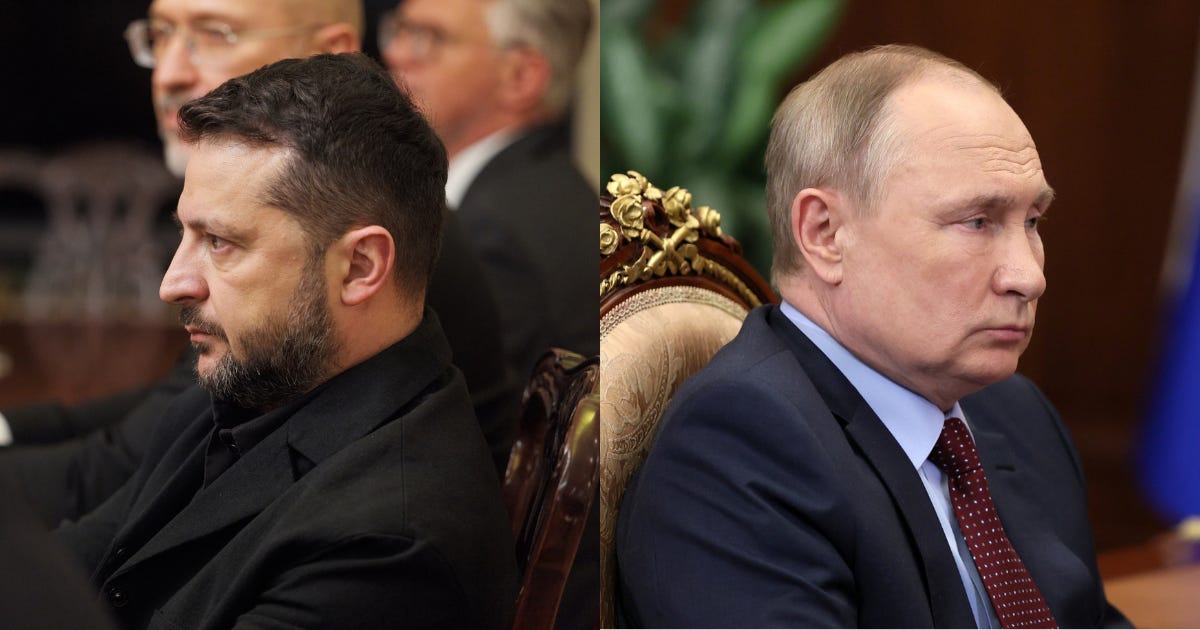
Vladimir Putin’s allies, led by Prime Minister Dmitry Medvedev and Sergey Lavrov, dominated Russia’s parliamentary and municipal elections this month, retaining control of the 450-seat Duma and the regional and municipal seats.
Putin’s party will control about 80 percent of the Duma seats, winning 57 percent of the votes cast, according to Russia’s Central Electoral Commission.
Russia’s Communist Party came in a distant second place, with smaller parties winning only one to fewer than 10 seats.
Lavrov may retain his position as Russia’s foreign minister, while United Russia party leader Medvedev may keep his seat as prime minister.
The elections were held at the height of a conflict with Ukraine, with China praising the electoral exercises. However, the European Union cast doubts on the results, particularly in occupied areas in Ukraine, including in Crimea.
There was almost 60 percent turnout in the elections from September 18 to September 20, but Putin claimed the victory was an overwhelming show of support for Russia’s military campaign in Ukraine.
In contrast, Ukraine’s leader, Volodymyr Zelenskyy, who was rumored to have corruption cases, faced a tough challenge once elections were held in the war-ravaged Eastern European state.
A presidential election was supposed to be held in spring of 2024, at the end of Zelenskyy’s five-year term.
He was elected in 2019 and is eligible to seek a second term, but the war with Russia forced Ukraine to postpone the presidential elections indefinitely. (Also read: Drones & chokepoints: Lessons for PH from Ukraine, Iran)
Opinion polls favored an election after the war, which has been raging since 2022. However, no one knows when the conflict will end.
US President Donald Trump has pressured Zelenskyy to call an election in December 2025. The Ukrainian leader promised to call an election within 60 to 90 days, but no schedule has been set for new balloting.
Saddled with corruption allegations, Zelenskyy faced tough opposition from two generals and a politician — a three-star general who headed Ukraine’s intelligence apparatus, a four-star general and the former commander-in-chief of Ukraine’s Armed Forces, and a charismatic former defense minister.
Both generals have solid support from the West, but there were more than six other politicians who expressed interest in seeking the presidency.
Valeri Zaluzhnyi, the 53-year-old known as “Iron General,” may be Zelenskyy’s most likely successor, if the president doesn’t seek re-election.
Opinion polls showed Zaluzhnyi had over 70 percent in Ukraine.
Zelenskyy said he may run for president again even if the war continues and will step down if the conflict ends.
Zaluzhnyi was Ukraine’s supreme military commander from July 2021 to February 2024, when Zelenskyy dismissed him to “reboot” frontline tactics and focus on technological innovation to overcome battlefield stagnation.
He later appointed him ambassador to London, earning British support as he seeks the presidency, whether Zelenskyy runs or not.
Zaluzhnyi has directly challenged Zelenskyy and called on Ukraine’s military commander to join him. Zelenskyy fought, purging the military of Zalushnyi’s supporters and appointing Major General Yevhenni Khmara as defense minister, promoting him from head of counterintelligence at Ukraine’s Security Services.
However, Washington has a different candidate. The US supports either Kyrylo Budanov or Mykhailo Federov.
Before Budanov was appointed head of the Office of the President of Ukraine, the 40-year-old general ran Ukraine’s intelligence office for six years, starting in 2020.
There was one occasion when Budanov was brought to a military hospital in the US after he was wounded in Donbas through his close connections in Washington.
If Budanov remained loyal to Zelenskyy, Washington may turn to Fedorov, a 35-year-old politician, who served as defense minister for six months until July 2026.
Zelenskyy sacked Fedorov because of strategic differences with military ground commanders, as he favored drone warfare over the Army’s ground assault approach.
The Americans found him effective. However, Zelenskyy saw Fedorov as a threat to his leadership.
Zelenskyy has started attacking Fedorov in the local media. He has been consolidating his political forces as he faced strong opposition from Zaluzhnyi and Fedorov.
Infighting among Ukraine’s top politicians and generals may affect Ukraine’s war with Russia, as outside support has been declining, in the form of financial and material
Zelenskyy has been trying to forge economic cooperation with third countries to generate revenues to sustain the conflict. (Also read: Ukraine offers to build a drone factory in the Philippines)
Meanwhile, the West may be starting to look for a new leader to support in Ukraine as the conflict drags on, and it wants an election soon.