

By: Manuel Mogato | Published: December 4, 2025
Reading Time: 3 minutes
Manila – President Ferdinand Marcos Jr. has ordered to raise the salaries of the 470,000 uniformed personnel by 15 percent in the next three years, in a move widely seen as courting soldiers’ support amid rumors of destabilization attempts.
The last salary increase was seven years ago, during the administration of former president Rodrigo Duterte. (Also read: The Unlikelihood of a Successful Coup in the Philippines)
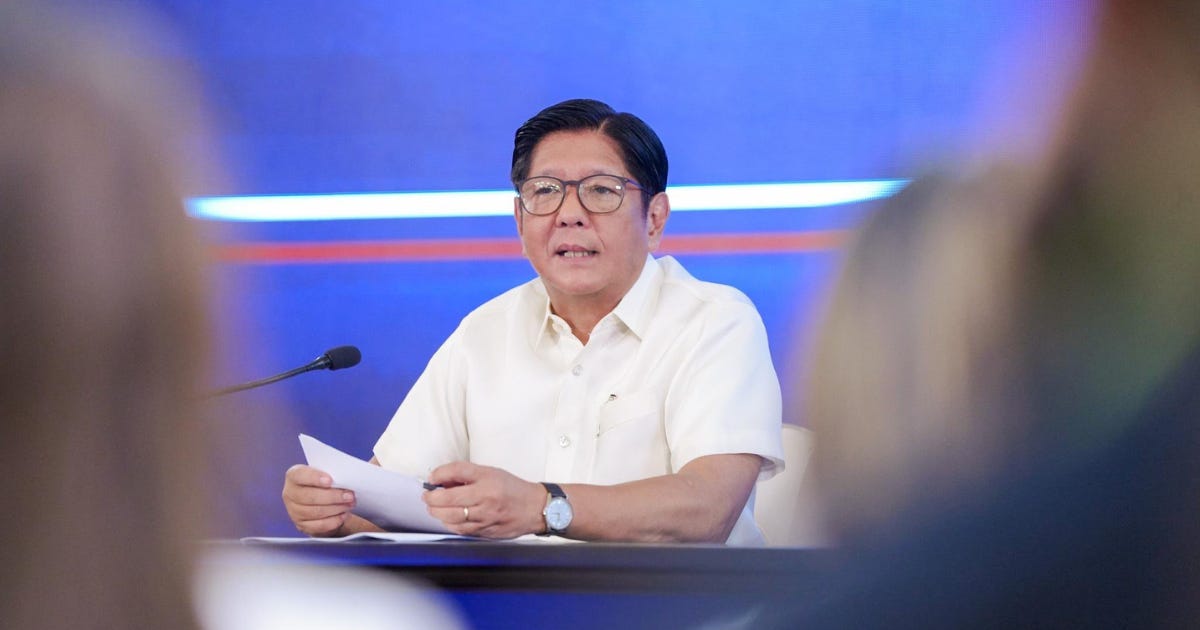
“In recognition of your unwavering service, dedication, and excellence, we will be increasing the base pay of the MUP,” Marcos said in a video statement.
“This administration believes that those who defend the nation also deserve to be protected by the government.”
Subscribe to the API Newsletter
Bite-sized updates sent straight to your inbox.
Success!
First Name
Last Name
By signing up, you agree to our User Agreement and Privacy Policy & Cookie Statement. This site is protected by reCAPTCHA and the Google Privacy Policy and Terms of Service apply.
The pay hike covers members of the Armed Forces of the Philippines (AFP), the Philippine National Police (PNP), Bureau of Fire Protection (BFP), Bureau of Jail Management and Penology (BJMP), Bureau of Corrections (BuCor), Philippine Coast Guard (PCG), and National Mapping and Resource Information Authority (Namria).
Under Executive Order No. 107, the increases in the uniformed services’ base pay of MUP would be implemented in three tranches starting next year—on Jan. 1, 2026, 2027; and 2028.
Marcos also increased the subsistence allowance by P350, up from P150, starting on Jan. 1, 2026.
In March, Marcos issued EO 84, increasing only the subsistence allowance of personnel of the AFP.
The executive order also increases the pay of pensioners, as the monthly pension of retired officers is automatically indexed to the salary of active personnel.
Gomez said in an interview on ANC on Wednesday.
The post Marcos raises soldiers’ pay by 15 percent appeared first on asiapacificinsights.com.