

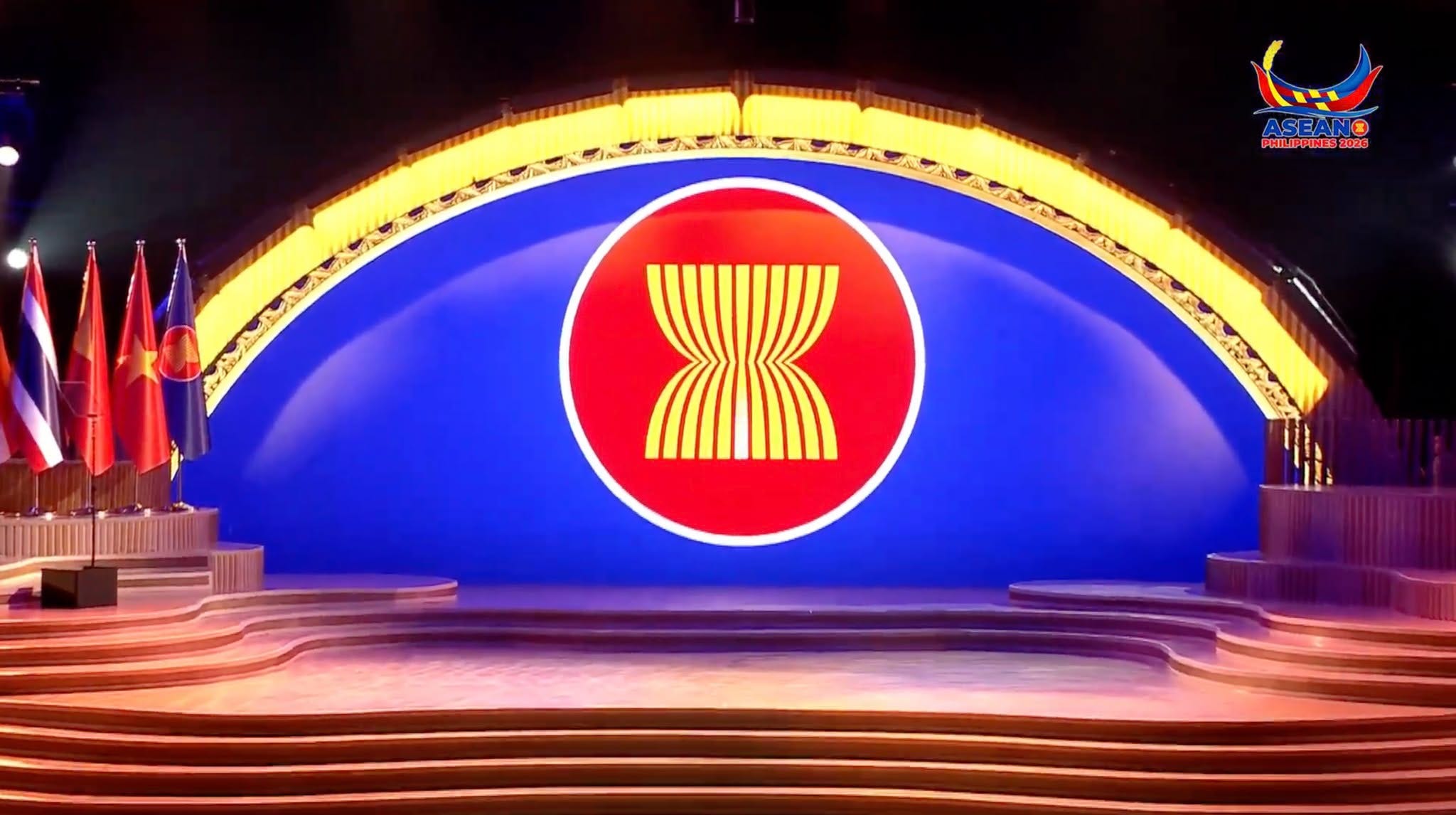
While the rest of Metro Manila enjoy an extended long weekend, it’s work as usual for some government staff, officials, and of course, the media. The 49th ASEAN Summit and Related Meetings, held from November 15 to 17 in Pasay City, is the culminating event under Philippines’ chairship before Singapore takes charge in January.
This Summit is particularly crucial as ASEAN leaders are expected to conclude multiple long-term goals.
Unfortunately, the long awaited South China Sea Code of Conduct remains elusive. On Sunday, Philippine Foreign Affairs Secretary Ma. Theresa Lazaro reported that the COC has reached “over 80%” in completion rate.
ASEAN leaders also made a decision to still exclude Myanmar from high-level meetings, following Lazaro’s humanitarian mission visit in late October, where she had observed the implementation of the 5-point consensus.
What are the wins so far?
Mostly economic. Ahead of the Leaders’ Meetings, trade ministers signed the Digital Economy Framework Agreement , allowing even small businesses to conduct e-commerce across the region with less barriers.
The regional oil stockpiling plan and the ASEAN Petroleum Sharing Agreement continued to be top of mind for ministers. However, not all ASEAN states have ratified the agreement to allow for the implementation of APSA.
Relationships among states are also on the mend, especially over the transboundary haze issue. Lazaro had told the media that Malaysia and Singapore had a “very cordial” response to Indonesia’s efforts to mitigate the haze caused by slash-and-burn fires in Sumatra and Kalimantan.
ASEAN Ministers have also agreed on maritime-related issues — leading to the establishment for an ASEAN Coast Guard Forum and an ASEAN Maritime Center, which will be built in the Philippines.
Beyond ASEAN
Starting Sunday, Philippine President Ferdinand Marcos Jr. led a series of meetings with state leaders from Australia, China, India, Japan, Republic of Korea, the United Nations and the United States.
At the sidelines, the Philippines and Australia’s defense ministers met to sign the Defense Cooperation Agreement (DCA) which should accelerate the implementation of joint exercises and trainings between both countries.
With non-ASEAN state leaders in attendance, a QUAD meeting will also be held at the sidelines to discuss the state of security in the Indo-Pacific region. US President Donald Trump is expected to attend, but rather late, on Tuesday afternoon.
Trump will also not be staying long in Manila, as the two-day APEC Summit will start on November 18 in Shenzhen, China.
Asia-Pacific Insights will continue to monitor the last ASEAN Summit under Philippines’ chairship, before Marcos passes the baton to Singaporean Prime Minister Lawrence Wong on Tuesday, November 17.
Stay tuned for future articles under the ASEAN 2026 coverage.
Thanks for tuning in!